
Jun 26, 2026Manufacturing & Factory
Office Chair Production Process Explained: From Materials to Finished Products
Understanding the office chair production process helps buyers evaluate quality, lead time, and manufacturing reliability. This guide explains each key production stage.
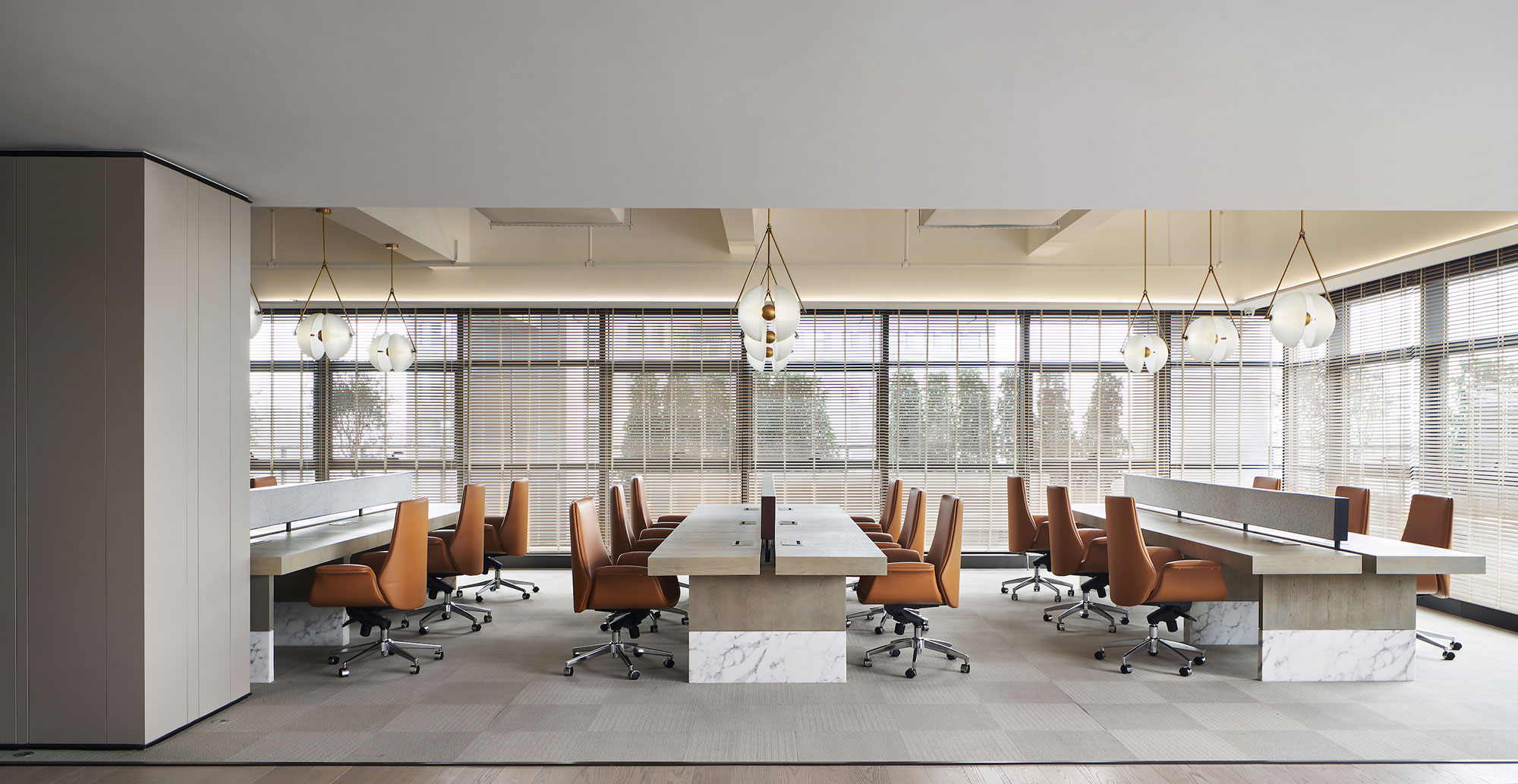
Office Chair Production Process Explained
Introduction
For buyers sourcing office chairs in bulk, understanding how office chairs are produced is essential.
The production process directly affects product quality, lead time, and long-term consistency.
This article explains the key stages of office chair manufacturing, helping buyers better evaluate suppliers and production capability.
Raw Material Preparation
The production process begins with the preparation of raw materials. These typically include:
- Steel or aluminum for frames
- Plastic components for bases and covers
- Foam, fabric, or mesh for seating
- Mechanisms, gas lifts, and casters
Reliable manufacturers inspect these materials before they enter production to ensure they meet specifications.
Component Manufacturing and Processing
Before final assembly, key parts are processed or prepared, such as:
- Metal frame cutting and welding
- Plastic part molding
- Foam shaping and upholstery preparation
- Mechanism and gas lift testing
These steps ensure all components are ready for accurate assembly.
Chair Assembly
During assembly, components are combined to form the complete chair structure.
This stage includes:
- Installing chair mechanisms
- Attaching frames, bases, and casters
- Fixing backrests, seats, and armrests
Proper assembly is critical for stability, comfort, and safety.
In-Process Quality Control
Quality control does not wait until production is finished.
Manufacturers perform in-process inspections to check:
- Fit and alignment of components
- Tightness of fasteners
- Function of moving parts
This helps prevent defects from moving to the next stage.
Final Inspection and Testing
Before packing, each batch of chairs undergoes final inspection.
This typically includes:
- Visual checks
- Functional testing of adjustments
- Stability and load testing
- Packaging verification
Only products that meet quality standards are approved for shipment.
Packing and Shipment Preparation
After inspection, chairs are cleaned, packed, and labeled.
Packaging is designed to protect products during transportation and ensure easy identification for buyers.
How the Production Process Affects Buyers
A clear and structured production process helps ensure:
- Consistent quality across shipments
- Predictable lead times
- Lower defect rates
- Better long-term cooperation
For buyers, understanding these stages supports better supplier evaluation.