
Oct 31, 2026Manufacturing & Factory
Office Chair Pre-Production Sample Approval for OEM Orders
Use this office chair sample approval checklist to freeze OEM specifications, record changes, verify packaging, and reduce bulk-order misunderstandings.
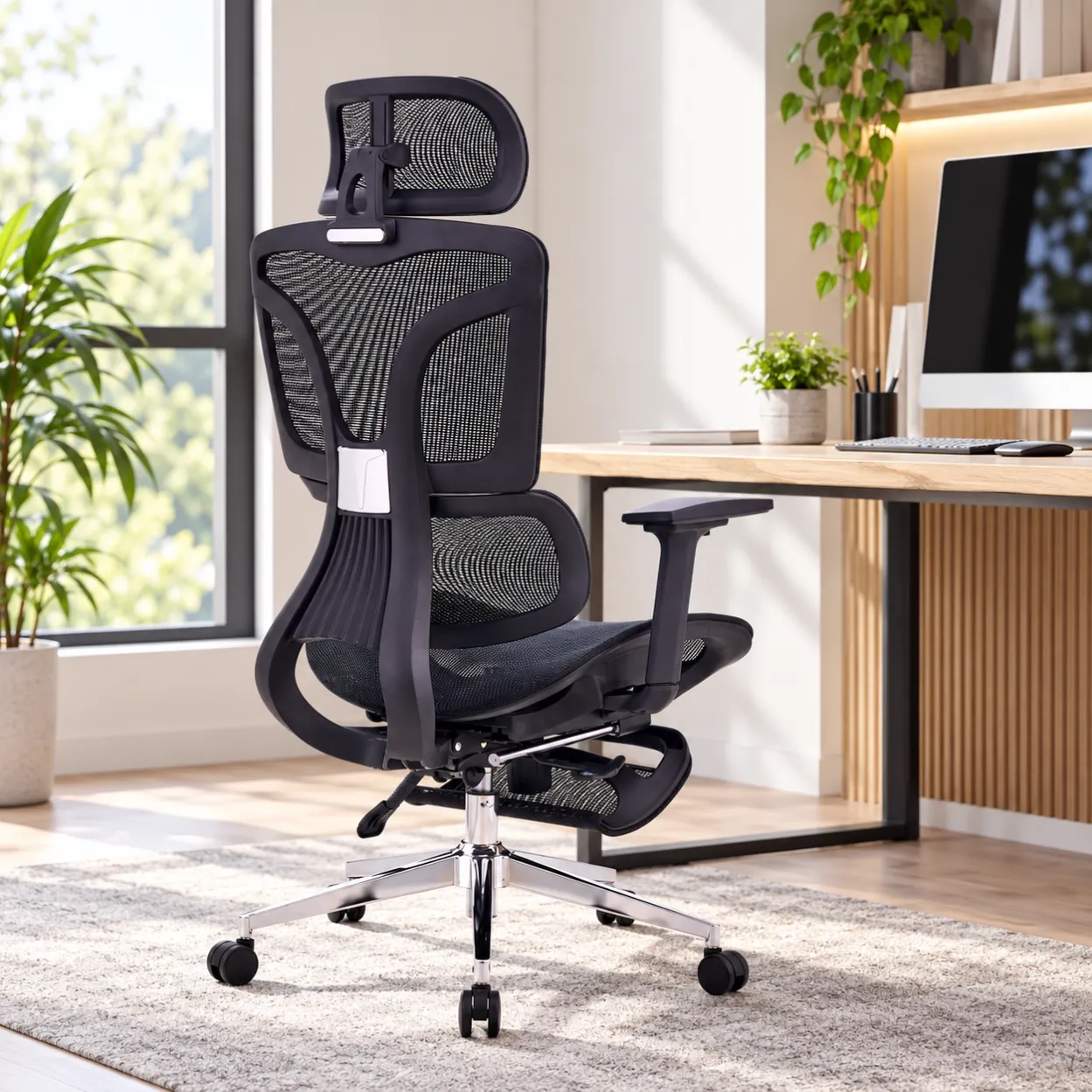
An attractive office chair sample can still be a poor reference for mass production if the buyer and supplier have not agreed on exactly what it represents. A sales sample may use a different mechanism, upholstery, color, carton, label, or hardware kit from the final order. Verbal comments made during a video call can also disappear when the order moves from sales to production.
Office chair pre-production sample approval gives wholesalers, distributors, and project buyers a controlled point between product selection and bulk manufacturing. The buyer checks the agreed configuration, records every accepted change, and authorizes production against a defined reference.
The purpose is not to make a sample “look good.” It is to create evidence that purchasing, production, quality control, and the buyer are discussing the same chair.
1. Define What the Sample Is Supposed to Approve
Before the sample is made, state its purpose. Different samples answer different questions.
- An appearance sample helps review overall style, proportions, color, stitching, and finish.
- A functional sample helps review adjustments, controls, assembly, and user interaction.
- A packaging sample helps review carton size, protection, labels, instructions, and hardware organization.
- A pre-production sample combines the final agreed commercial configuration as closely as practical before mass production.
Do not assume that one sample automatically covers every purpose. If a component, finish, logo, or carton is temporary, list it as a deviation before approval. The approval form should say what was checked and what remains open.
This distinction is especially useful when comparing different models in the OfficeThrone office chair range. A mesh task chair, PU executive chair, and traditional wooden executive chair require different checkpoints even when they are ordered under the same brand.
2. Create One Controlled Specification Sheet
The sample should be reviewed against a written specification, not memory or catalog images. Give the document a revision number and date. Use the same model code on the quotation, purchase order, sample label, approval form, inspection records, and carton marks.
Product construction and components
Record the approved backrest, seat, armrests, mechanism, gas lift, base, casters, fasteners, and other visible or functional components. Include supplier part codes where available. Add dimensions or drawings for features that cannot be identified reliably from a photograph.
If two components look similar, describe how they are distinguished. For example, note the finish, mounting pattern, adjustment type, or other agreed identifier. Never approve a load-bearing or safety-related substitution only because it looks similar to the original part.
Materials, colors, and finishes
Specify the upholstery type, color reference, texture, stitching color, mesh, foam requirement, metal finish, plastic color, and wood finish as applicable. Digital images can shift color, so use an agreed physical swatch or another controlled reference when color consistency is commercially important.
For products in the PU leather office chair category, the buyer should define the exact upholstery option rather than using the broad word “leather.” Confirm the material description that will appear in the quotation, marketing content, labels, and customer documents.
Branding and market information
Document the logo size, position, color, application method, product label, carton mark, barcode, country-of-origin marking, instructions, and any buyer-supplied artwork. Confirm spelling, units, model numbers, and contact information. Artwork files should have their own version numbers so an old logo or label is not used by mistake.
Regulatory and labeling requirements depend on the destination market and product claims. The buyer should identify applicable requirements and obtain professional compliance advice where needed; the sample approval itself does not establish legal compliance.
3. Review the Chair as a User and as a Buyer
A sample review needs both perspectives. The user experience matters, but the procurement team also needs to know whether the approved configuration can be described, produced, packed, inspected, and reordered consistently.
Check appearance and workmanship
Review the chair from the front, rear, sides, top, and underside. Look at alignment, surface finish, seams, wrinkles, gaps, exposed fasteners, color matching, and symmetry. Compare the sample with the approved drawings, swatches, renderings, or photographs.
Record observations precisely. “Improve the stitching” is difficult to execute. “Keep the left and right seam positions symmetrical to the approved reference photo” gives the supplier a clearer target. Photograph both acceptable details and items requiring correction.
Check functions and controls
Operate every feature included in the order: height adjustment, swivel, tilt, recline, locks, tension control, headrest, lumbar support, armrests, seat slide, and casters as applicable. Confirm that the control labels and instructions match the actual configuration.
Use the intended application to guide the review. A model selected for shared workstations may need an intuitive adjustment sequence, while an executive chair may place more emphasis on finish consistency and the agreed reclining function. Product selection criteria can be reviewed separately in the guide to office chairs for long working hours.
Check dimensions and assembly
Measure the dimensions identified as important in the purchase specification. Avoid creating an undocumented measurement method: state the reference points and whether the chair is loaded, unloaded, raised, or lowered during measurement.
Assemble the sample using the proposed instructions and hardware kit. Check whether parts are easy to identify, whether left and right components are clear, whether the specified tools are included, and whether the sequence is realistic for dealers or project installers. Record any step that causes confusion or risks damaging a finished surface.
4. Approve the Packaging With the Product
Packaging is part of the supplied configuration. Approving the chair while leaving the carton open can create problems at shipment: the chair may fit only after parts are changed, the hardware may move during transport, or labels may not match the buyer’s receiving system.
Ask for a proposed packing arrangement showing the component positions, protective materials, hardware pack, instruction sheet, carton markings, gross and net weight fields, and carton dimensions. Verify actual values before they are used in logistics planning.
If the final retail carton, label, or manual is not ready, keep packaging approval open. Do not sign a single “fully approved” status when a commercially important part of the order is still temporary.
The existing article on the office chair production process provides useful context for material preparation, assembly, inspection, packing, and shipment preparation. The sample approval should connect the buyer’s specification to the checkpoints used for the actual order.
5. Use a Clear Approval Status
A short approval status prevents vague emails from becoming production instructions. Use one of three outcomes:
Status | Meaning | Next action |
|---|---|---|
Approved | The reviewed configuration is accepted as the production reference | Freeze the specification and authorize production under the agreed commercial terms |
Approved with documented conditions | The sample is acceptable only with listed, measurable changes | Supplier confirms each change; buyer defines whether photos, a revised part, or another sample is required before production |
Rejected | The sample does not meet the agreed specification or intended use | Record the reasons, issue a revised specification, and agree on the next sample step |
Avoid phrases such as “generally okay,” “same as discussed,” or “please improve quality.” They do not identify what production should copy or what quality control should reject.
For conditional approval, number every item. Assign an owner, expected evidence, and closure date. A corrected photo may be enough for a label position; a changed mechanism or structural component may require a physical sample and renewed evaluation. The buyer and supplier should agree on the evidence appropriate to the change.
6. Freeze the Reference and Control Changes
After approval, issue a final package containing the signed approval record, specification revision, approved photos, drawings, artwork, color references, packaging details, and a list of accepted deviations. Both parties should retain the same files.
A physical reference sample is often called a golden sample, but the label alone does not make it reliable. Identify who holds it, how it is labeled, which revision it represents, and how long it will be retained. Seal or sign the label in a way that makes the reference clear without damaging the product.
Any later change should enter a written change-control process. The request should identify the affected model and component, the reason, the effect on appearance or function, any price or timing impact, and the approval required. Update all affected documents after acceptance.
Do not allow an approved substitution in one order to silently become the standard for the next order. Repeat buyers should confirm the current revision when issuing each purchase order.
7. Translate Approval Points Into Inspection Criteria
Sample approval and batch inspection serve different purposes. The sample defines the agreed reference; inspection checks whether the shipment follows the purchase specification and agreed inspection plan. One approved sample cannot prove that every production unit will be identical or free from defects.
Convert important characteristics into checkable criteria. Examples include the correct component codes, upholstery and finish, dimensions with agreed tolerances, function of adjustments, label version, hardware quantity, packaging arrangement, and carton marks. Define the sampling plan, defect classification, acceptance rules, test methods, and responsible parties separately where required.
If the order requires a named standard, certification, laboratory test, or destination-specific compliance document, verify the exact scope, product configuration, issuing body, validity, and report details. Do not treat a visual sample approval as test evidence.
8. Keep an Approval Record for Repeat Orders
For distributors and wholesalers, the first approved order can become the baseline for future purchasing. Keep the specification revision, signed approval form, images, issue log, inspection feedback, and service history together. When the next order is placed, identify what remains unchanged and what needs new approval.
Project buyers should also include the approved product code and revision in schedules, room lists, installation documents, and handover records. This helps prevent a visually similar chair from being substituted without review.
The record becomes more valuable when it captures actual outcomes. If assembly teams report unclear instructions, dealers see recurring cosmetic issues, or customers request a different adjustment, feed that evidence into the next revision instead of relying on informal messages.
Office Chair Sample Approval Checklist
Before authorizing mass production, confirm that the file includes:
- Sample purpose and approval scope
- Model code, order reference, revision, and date
- Component list and approved configuration
- Materials, colors, finishes, stitching, and branding
- Key dimensions and agreed measurement methods
- Function and adjustment checks
- Assembly instructions, tools, and hardware list
- Packaging arrangement, labels, manuals, and carton marks
- Photos of the complete chair and critical details
- Open deviations, owners, required evidence, and closure status
- Final approval status and authorized approvers
- Change-control method for any later revision
When requesting an OEM or ODM quotation from Office Throne, send the intended market, order quantity, selected models, required customization, artwork, packaging needs, and target approval process. Ask the sales team to confirm which sample options, costs, timing, documentation, and revision steps are available for the specific order before committing to production.